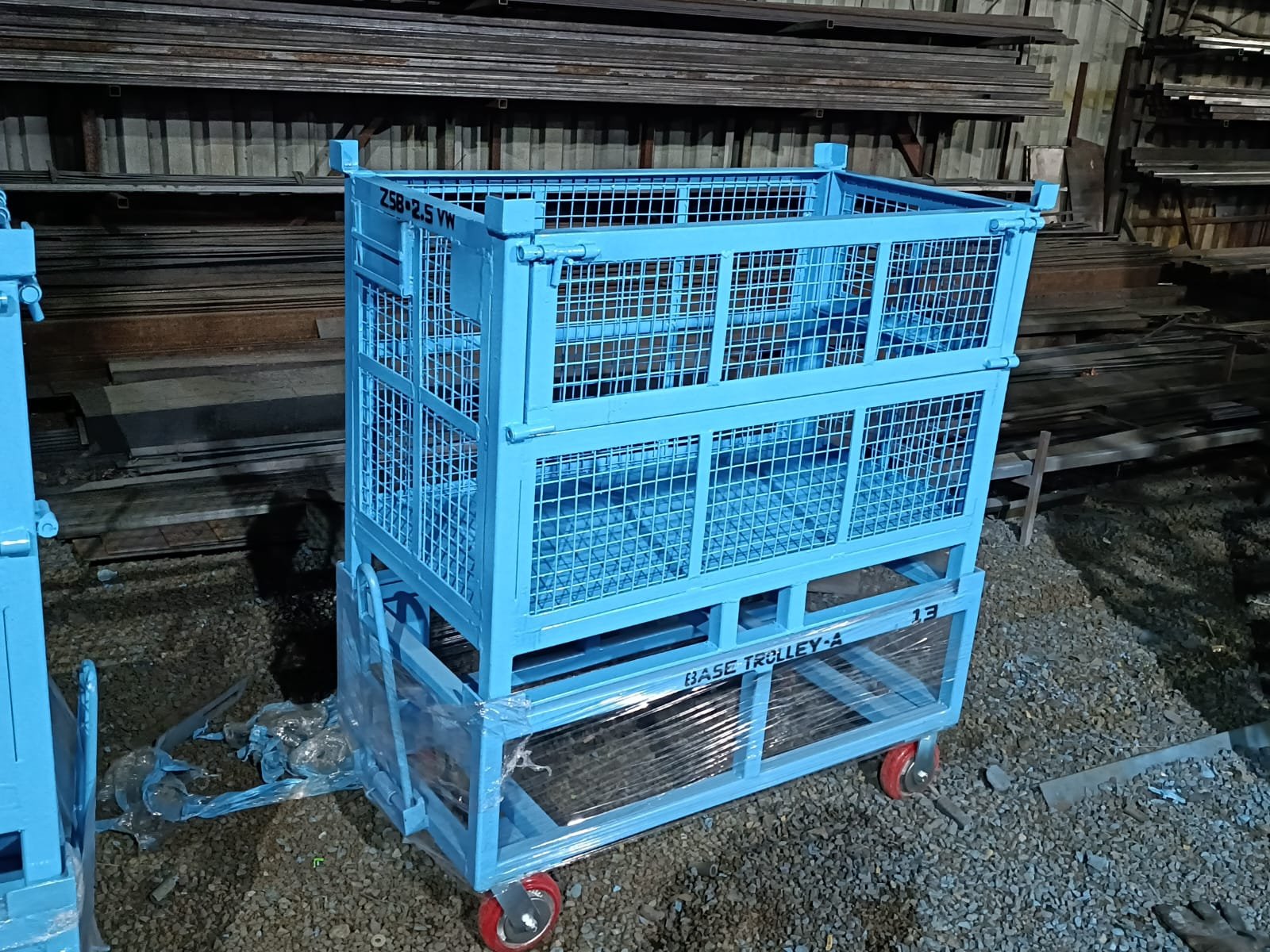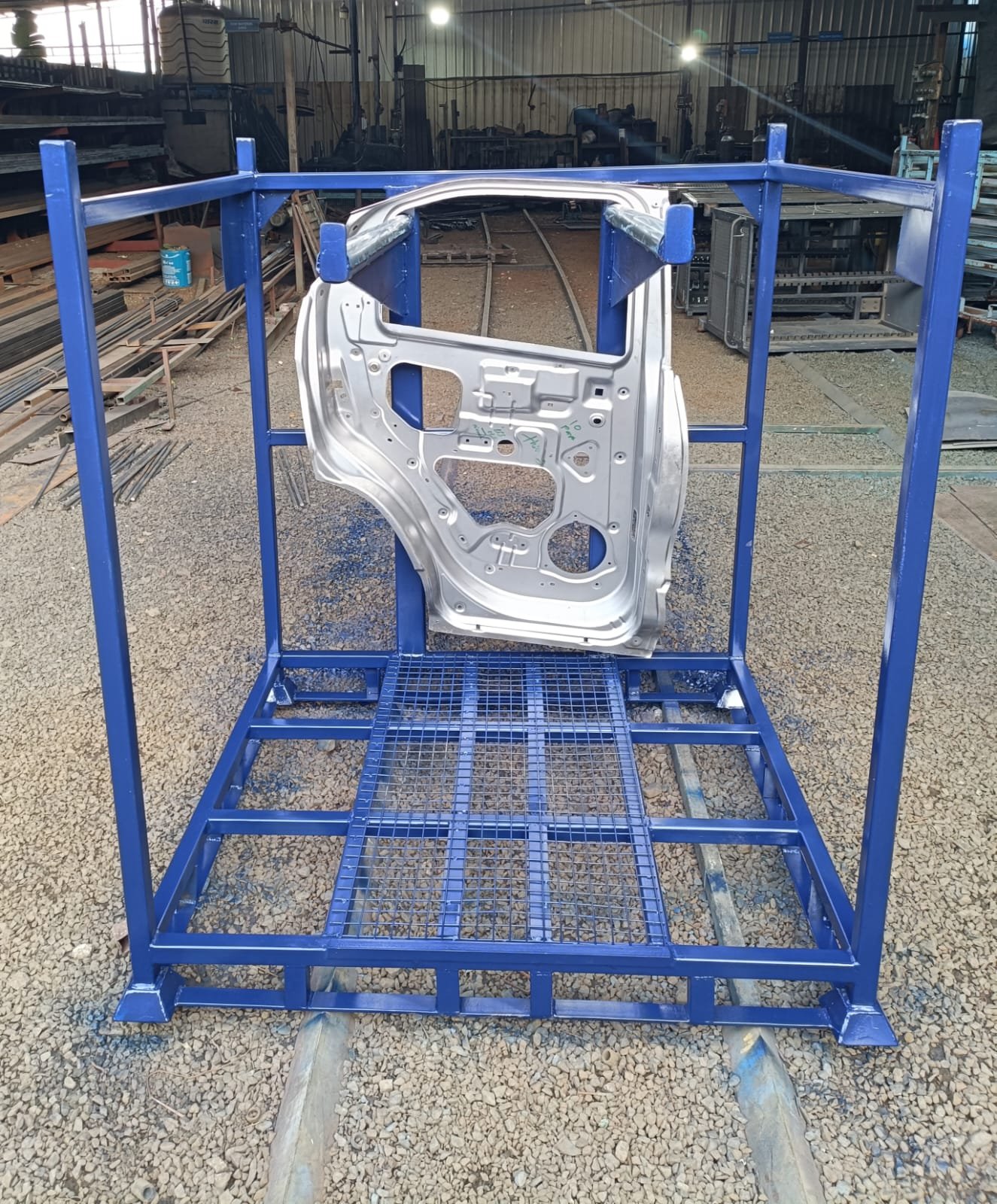
Sheet Metal Fabrication
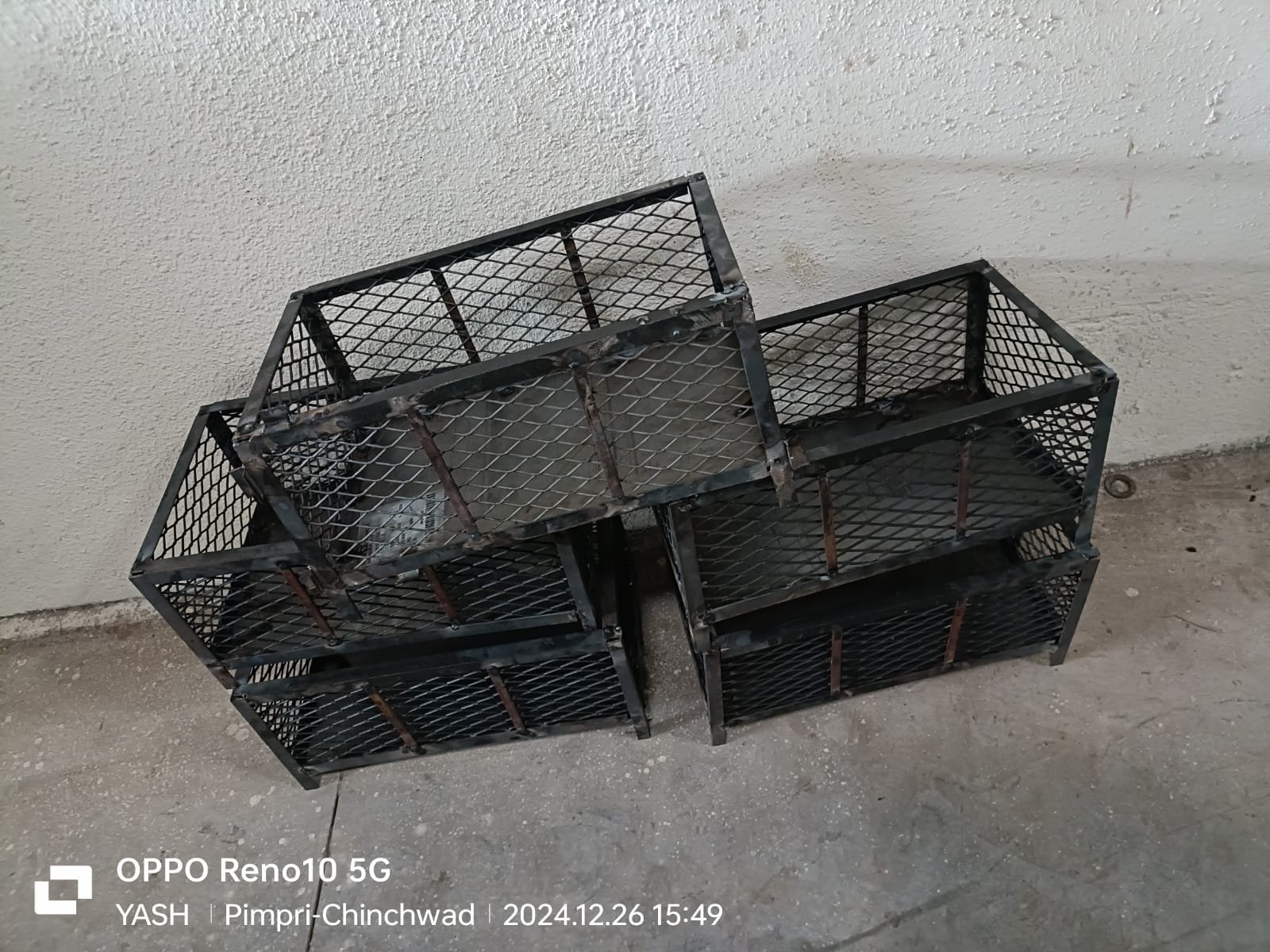
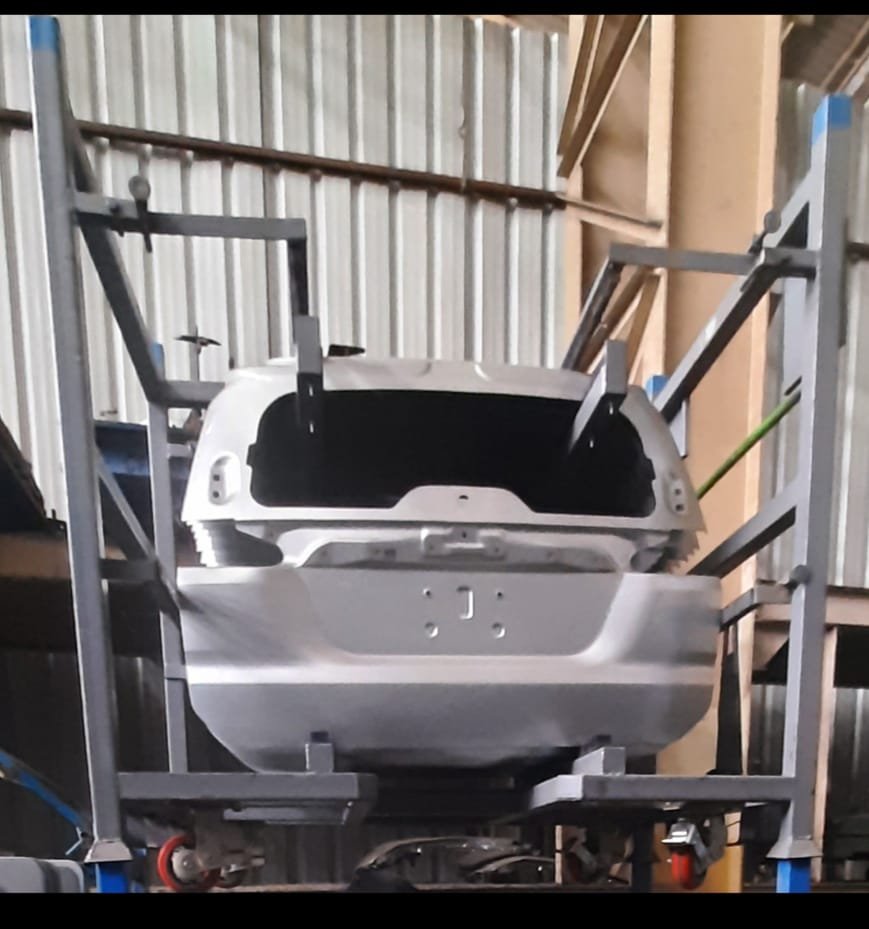
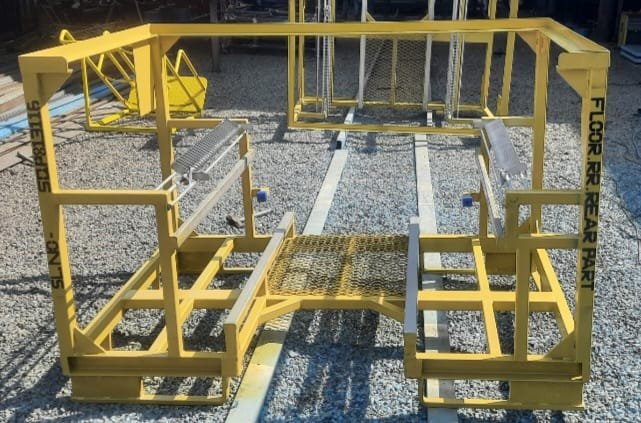
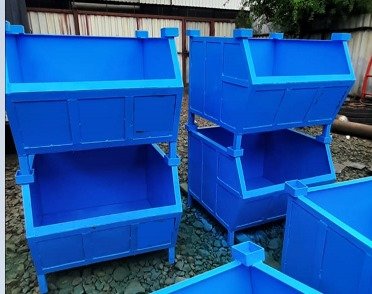
Sheet Metal Fabrication refers to the process of transforming flat sheets of metal into various shapes, components, or structures. It involves a series of processes like cutting, bending, punching, and welding to shape and assemble the metal sheets into functional parts for a wide range of industries, including automotive, aerospace, construction, and electronics.
Key Processes in Sheet Metal Fabrication:
- Cutting:
- Laser Cutting: This involves using a laser beam to cut precise shapes and designs in metal sheets. It is ideal for intricate designs and high-precision work.
- Plasma Cutting: Similar to laser cutting, but uses a plasma arc to melt the metal and blow away the molten material. Plasma cutting is typically used for thicker sheets.
- Shearing: This is a mechanical cutting process that uses a blade to cut through sheet metal, often used for straight cuts.
- Bending:
- Press Brake Bending: A machine called a press brake is used to bend the sheet metal to a specified angle. This process allows for the creation of folds and creases in the material.
- Roll Bending: This process is used for making curved or cylindrical shapes from sheet metal, typically involving a series of rollers.
- V-Bending: Involves bending the sheet metal into a V-shape using a V-die.
- Punching: Punching involves using a punch press to create holes or cutouts in a metal sheet. The press exerts pressure on the sheet to force the material out of the way and create the desired hole or shape. This is often used for producing perforated metal sheets.
- Welding:
- TIG Welding (Tungsten Inert Gas): TIG welding is commonly used for thin sheet metal and provides high-quality, precise welds.
- MIG Welding (Metal Inert Gas): MIG welding is another common welding process in sheet metal fabrication, ideal for high-speed, production environments.
- Spot Welding: A process that uses heat generated by electrical resistance to join two metal surfaces at their contact points.
- Stamping: Stamping uses a die to cut or shape the metal sheet under high pressure. It is commonly used for high-volume production of complex shapes such as auto parts or appliances.
- Finishing: After the fabrication process, metal sheets may undergo various finishing processes to improve their appearance and durability:
- Powder Coating: A dry finishing process that applies a powder coating to the metal for protection and aesthetic enhancement.
- Polishing: The metal surface is smoothed to improve its finish and aesthetic appeal.
- Anodizing: A process that increases the thickness of the natural oxide layer on the surface of metal, especially aluminum, to enhance corrosion resistance and appearance.
- Assembly: Once individual parts are fabricated, they may need to be assembled into a final product. This can involve techniques such as riveting, bolting, screwing, or welding to join different parts together.
Sheet metal fabrication is an essential part of manufacturing, offering a wide range of techniques to produce durable and precise parts for diverse industries. Whether you're looking for high-volume production or intricate, customized parts, sheet metal fabrication is a versatile, cost-effective solution. If you're interested in sheet metal fabrication for your project, contact us for expert services and high-quality results!